 how-to
7 Signs of Corroded Pipes in Walls Every Homeowner Should Know
Table of Contents
- 1. Rusty, Brown, or Discolored Water
- 2. Metallic Taste or Odor in Tap Water
- 3. Low Water Pressure from Corroded Pipes
- 4. Pinhole Leaks and Recurring Pipe Failures
- 5. Hidden Water Damage: Damp Walls, Stains, and Mold
- 6. Signs of a Burst Pipe in a Wall
- 7. Causes of Pipe Corrosion and Which Homes Are at Risk
- How Plumbers Detect Leaks in Walls
- Frequently Asked Questions
Last Updated: October 20, 2026
1. Rusty, Brown, or Discolored Water
Rusty, brown, or discolored water is often the first visible sign of corroded pipes in walls. When iron or steel pipes break down, rust flakes mix with the water supply and flow out of your faucets.
Homeowners can run a simple test. Fill a clear glass with cold water and let it sit for a few minutes.
- Clear water that turns brown after sitting points to internal corrosion
- Brown water from the hot tap only often means a failing water heater
- Yellow or cloudy water can signal mineral buildup inside aging pipes
Pay attention to timing. If the discoloration clears after you run the tap for a minute, rust is settling in the pipes overnight. That pattern is a strong sign of corroded pipes in walls and should not be ignored.
2. Metallic Taste or Odor in Tap Water
A metallic taste or smell in your tap water is a common warning sign of corroded pipes. The water picks up iron, zinc, or lead as it moves through rusting metal.
Most people notice it first in a morning glass of water. The taste may fade after running the tap, but it usually returns.
- Bitter or sour notes suggest copper or lead corrosion
- A rusty or iron-like taste points to galvanized steel pipes
- A rotten egg smell is different and often means bacteria in the water heater
Do not ignore this. Water chemistry changes as pipes age, and a metallic taste can mean the pipe wall is thinning. A licensed plumber can test the water and inspect concealed plumbing before the problem spreads.
3. Low Water Pressure from Corroded Pipes
Low water pressure from corroded pipes builds slowly, which is why so many homeowners miss it. Rust and mineral buildup narrow the inside of the pipe, so less water gets through.
Watch for these patterns:
- One faucet runs weak while others are fine (often a local clog)
- Every fixture on one side of the house runs slow (a branch line problem)
- Pressure drops after you use another tap or appliance
- Reduced flow that gets worse month after month
A sudden drop is different from a slow decline. Sudden pressure loss usually points to a leak or burst pipe. A gradual decline is the classic pattern of internal corrosion and restricted flow inside walls.
4. Pinhole Leaks and Recurring Pipe Failures
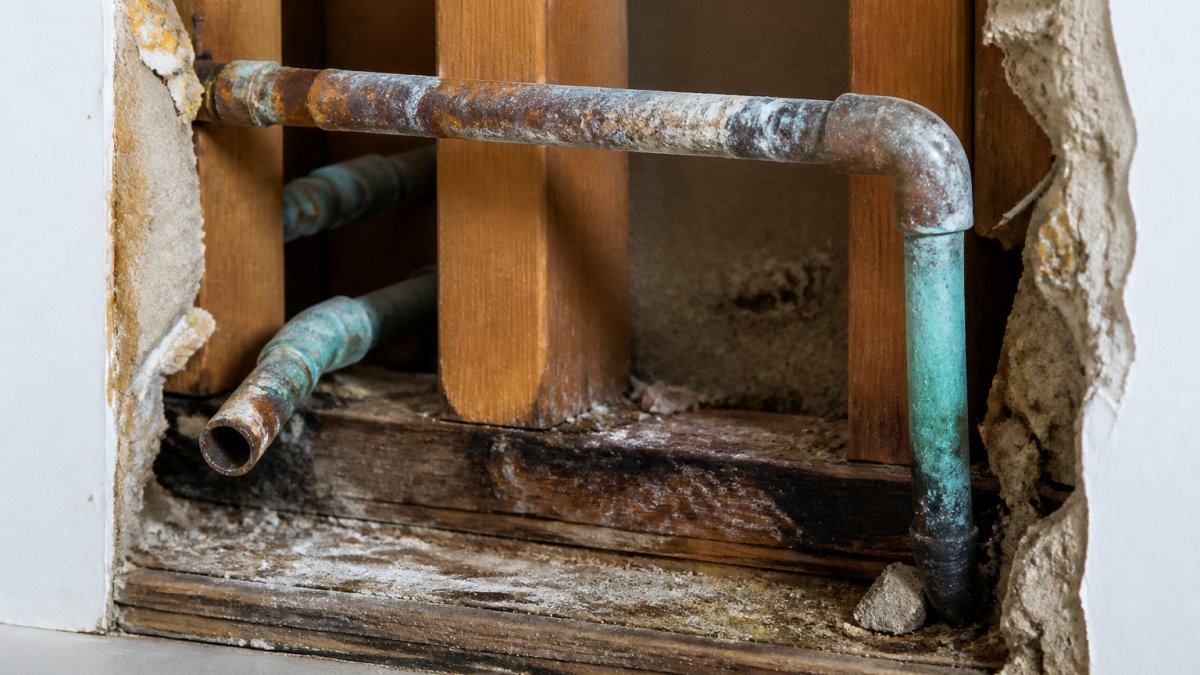
Pinhole leaks are small holes that form where corrosion eats through a pipe wall. They often appear in clusters, and fixing one rarely solves the problem.
In practice, a homeowner might patch a pinhole leak under the sink, only for another to show up weeks later. That pattern can indicate the pipe is failing along its whole length, not just at one spot.
- Small water spots or drips on ceilings and walls
- Repeated leaks on the same pipe run
- Repair bills that keep climbing year after year
When leaks keep coming back, pipe replacement usually costs less than chasing each failure. The U.S. Environmental Protection Agency's guide to pipe repair and replacement notes that failing plumbing is a leading source of household water waste.
5. Hidden Water Damage: Damp Walls, Stains, and Mold
Damp walls, wall stains, and mold growth are often the first clues that a pipe inside the wall is leaking. The damage hides until it reaches the surface.
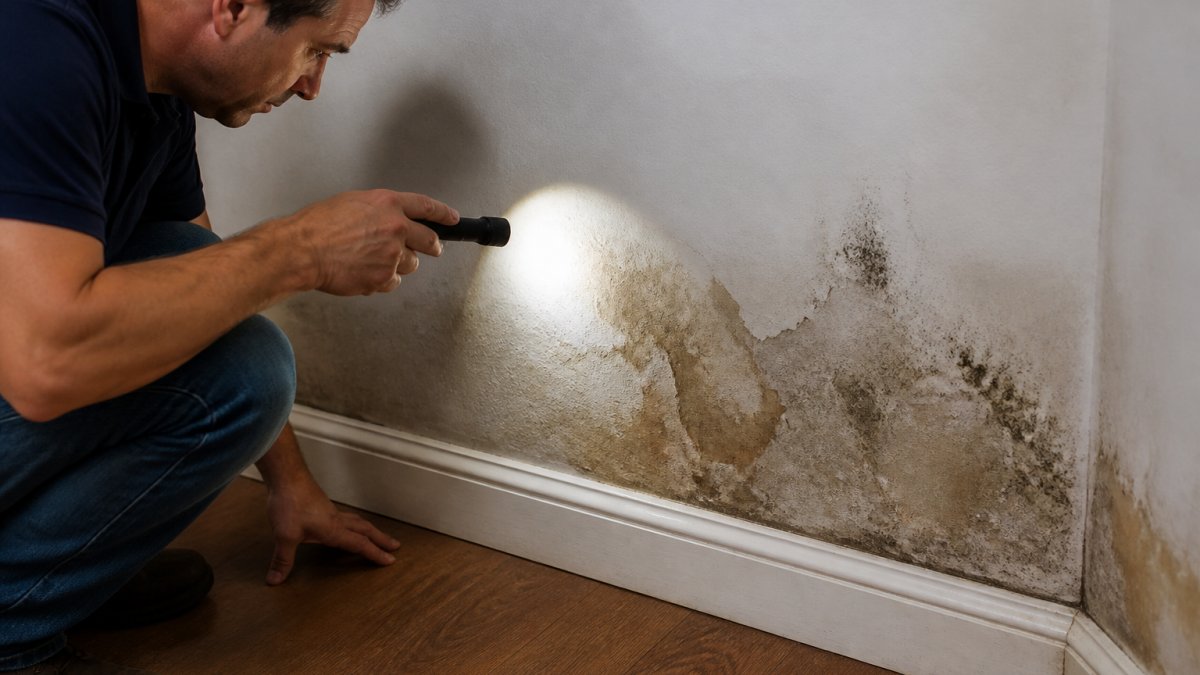
Look for these signs:
Initiate Your Project Consultation →
- Soft or bubbling paint and drywall
- Brown or yellow rings on ceilings and walls
- A musty smell that never goes away
- Baseboards that warp or pull away from the wall
- Mold in corners where moisture collects
Here is where most guides fall short. Wall damage is not always a pipe problem. A roof leak, poor ventilation, or a clogged drain line can look identical. Press a moisture meter against the stain and trace the source before assuming corrosion.
6. Signs of a Burst Pipe in a Wall
Signs of a burst pipe in a wall include sudden water stains, bulging drywall, and the sound of running water when every fixture is off. A burst pipe is an emergency, not a maintenance item.
Shut off the main water valve right away. Then call a plumber.
- Bulging or sagging drywall
- Water pooling at the base of a wall
- A hissing or rushing sound behind the wall
- A sudden spike in your water bill
- Unexplained damp carpet or flooring
Age matters here. Homes built before the 1960s often have galvanized pipes, which rust from the inside out. Homes from the 1970s and 1980s may have polybutylene or early copper with known failure points. If your home is older and you have never had the plumbing inspected, a professional pipe inspection is worth the call.
7. Causes of Pipe Corrosion and Which Homes Are at Risk
Causes of pipe corrosion come down to three things: water chemistry, pipe material, and age. Understanding them helps you judge your own risk.
- Water chemistry: Acidic or hard water speeds up internal corrosion
- Pipe material: Galvanized steel rusts; copper can develop pinholes; lead pipes pose health risks
- Age: Most metal pipes last 40 to 70 years before failure
- Poor installation: Mixed metals and bad fittings create corrosion hot spots
The Centers for Disease Control and Prevention's guidance on lead in drinking water is worth reading if your home has older plumbing. Lead does not change the taste or smell of water, so testing is the only way to know.
How Plumbers Detect Leaks in Walls
Plumbers detect leaks in walls with non-invasive tools before cutting any drywall. The goal is to find the exact spot, not tear open a whole wall.
- Acoustic listening: Amplifies the sound of water escaping a pipe
- Thermal imaging: Shows temperature differences from moisture behind drywall
- Pressure testing: Isolates a section and confirms whether it holds pressure
- Moisture meters: Map damp areas to trace the leak path
- Video inspection cameras: Look inside drains and pipe runs
At New Creations Plumbing Service llc, our team pairs these diagnostic methods with more than two decades of field experience. We plan the inspection, confirm the cause, and give you a clear scope before any repair starts. That approach keeps downtime low and budgets predictable, which matters when hidden problems turn up mid-project.
| Warning Sign | Likely Cause | Urgency |
|---|---|---|
| Rusty or brown water | Internal corrosion | Schedule inspection |
| Metallic taste | Pipe wall breakdown | Test water soon |
| Low water pressure | Mineral buildup | Inspect within weeks |
| Pinhole leaks | Localized corrosion | Repair promptly |
| Damp walls or mold | Concealed leak | Investigate now |
| Bulging drywall, running water | Burst pipe | Emergency, shut off water |
Frequently Asked Questions
How do plumbers detect leaks in walls?
Plumbers use several non-invasive methods to find leaks inside walls. They may start with a visual inspection for stains or dampness, then use moisture meters to map wet areas. Acoustic listening equipment can pick up the sound of escaping water, and thermal imaging cameras reveal temperature differences caused by hidden moisture. In some cases, a pressure test on the plumbing system confirms whether a leak exists before any wall is opened. These tools help pinpoint the leak so repairs stay targeted and less disruptive.
Can corroded pipes cause low water pressure?
Yes. As corrosion builds up inside a pipe, it narrows the opening that water flows through. That restricted flow shows up as low water pressure at fixtures, especially when several taps run at once. The drop is often gradual, so homeowners may not notice it until pressure is noticeably weak. If low water pressure from corroded pipes is the cause, a plumber can test flow at different points in the system to confirm whether buildup or a leak is responsible.
Is discolored water a sign of corroded pipes?
Discolored water, especially rusty brown or yellow water, is one of the most common signs of corroded pipes. It often appears after water sits unused in the pipes overnight or when the system is disturbed. Rust-colored water usually points to iron or steel pipes breaking down internally. Cloudy water can also signal corrosion or mineral buildup. If discoloration clears after running the tap briefly, corrosion is likely present but not yet severe. Persistent discoloration warrants a plumbing inspection.
When should you call a plumber about suspected pipe corrosion?
Call a plumber when you notice more than one warning sign at once, such as discolored water plus low pressure, or when you find damp patches, wall stains, or mold with no obvious cause. Recurring pinhole leaks or a spike in your water bill also justify a call. Any sign of a burst pipe, like sudden water pooling or a drop in pressure, needs immediate attention. Early inspection usually means smaller repairs and less water damage.
Corroded pipes in walls rarely fix themselves, and the damage only grows. If you have spotted any of these signs, a professional inspection is the fastest way to protect your home. New Creations Plumbing Service llc brings rigorous safety protocols, disciplined budget management, and tailored project solutions to every job, from a single repair to a full repipe. Initiate your project consultation with our team and get a clear answer on what is happening behind your walls.